


Boost Your Online Presence with a Website Speed Test
In today’s digital world, a fast-loading site is non-negotiable. Whether you’re running a blog, an e-commerce store, or a portfolio, performance directly impacts how users perceive your brand. A quick check of your site’s loading efficiency can uncover hidden issues that might be costing you visitors. Let’s dive into why this matters and how you can stay ahead of the curve.
Why Speed Is a Game-Changer
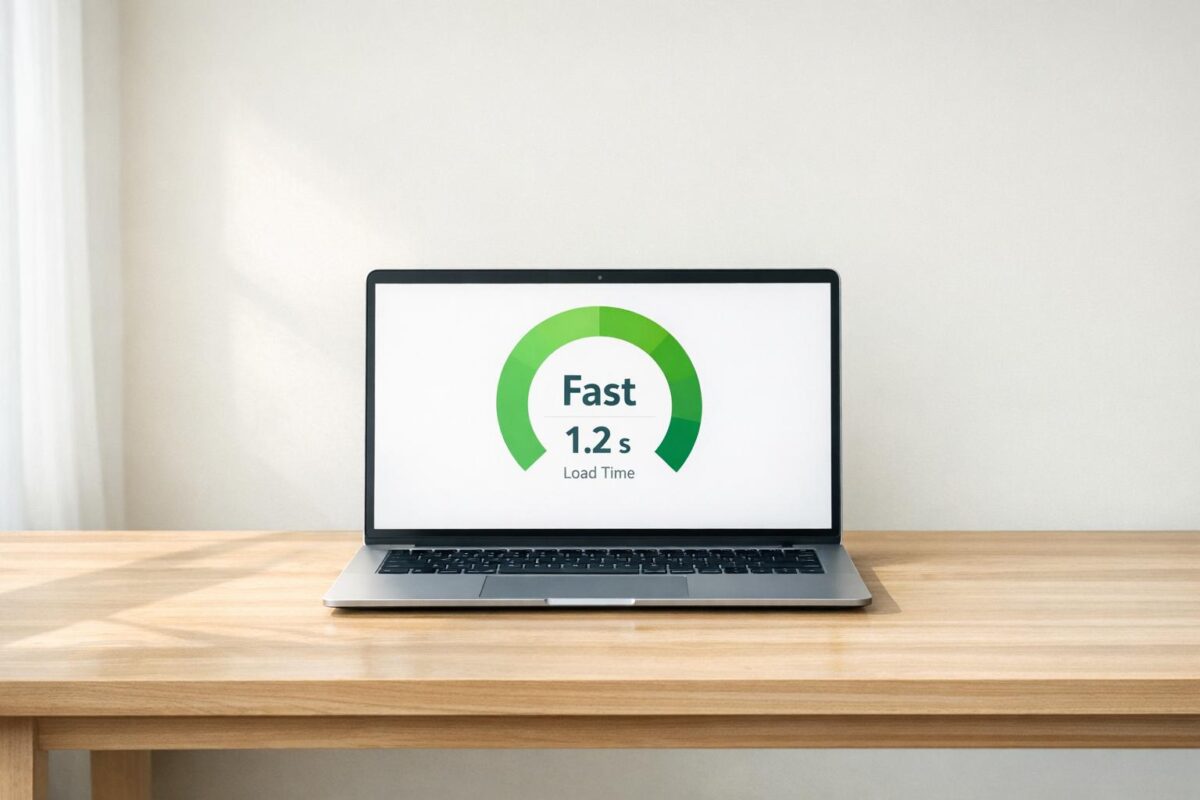
Did you know that even a one-second delay in load time can slash conversions by 7%? Users expect instant access, and search engines reward snappy sites with better rankings. Testing your web performance isn’t just a techy chore—it’s a way to ensure you’re not losing out on traffic or sales. By analyzing key metrics like load duration and mobile-friendliness, you get a roadmap to a smoother user experience.
Take Control of Your Site’s Future
Don’t let slow performance drag you down. Regularly assessing how swiftly your pages render can reveal easy fixes, from optimizing images to cutting down on heavy scripts. Armed with the right insights, you can turn a sluggish site into a lightning-fast powerhouse that keeps users coming back for more.
FAQs
Why does website speed matter so much?
Speed is everything when it comes to user experience. If your site takes more than a couple of seconds to load, visitors are likely to bounce, and that can tank your conversion rates. Plus, search engines like Google factor in load times for rankings. A fast site keeps users engaged and helps you climb the SEO ladder. Our tool breaks down exactly where your site stands so you can take action.
What metrics will I see in the speed test results?
You’ll get a full rundown of key performance indicators. Think page load time (how long it takes for your site to fully appear), time to first byte (how quickly the server responds), and mobile responsiveness (how well your site works on smaller screens). We also provide a summary score if available through the API, along with short explanations so you’re not left guessing what each number means.
Can I test any website, or just my own?
You can test any site you’d like, as long as it’s publicly accessible. Pop in the URL of your own domain, a competitor’s site, or even a random page you’re curious about. Our tool pulls publicly available data, so there’s no restriction. Just make sure the URL is formatted correctly, or you’ll get a heads-up to try again with the right input.